Markham Concrete Installers
Obtain professional concrete flooring in Markham that's designed for reliability and regulatory standards. You'll get precision-engineered mixtures, tested consistency/aeration/thermal and humidity/acidity/relative humidity analysis for reliable hardening and attachment. We specialize in abrasive blasting/mechanical grinding to ICRI CSP, fissure/seam restoration, and rapid-dry primers. Opt for refined concrete finishes, polymer/high-performance applications, or colored/tinted surfaces with ultraviolet-resistant coatings and certified floor measurements and mil thickness. We validate qualifications, assurances, and project duration to control risk, cost, and downtime-then, explore how industry-tailored solutions match your needs.
Main Insights
- High-quality concrete flooring services in Markham: specializing in precise mix formulation, structural reinforcement, joint placement, and curing processes compliant with building standards for consistent durability and performance.
- Qualified contractors maintaining WSIB and liability protection, offering detailed written scopes, QC testing, warranties aligned with ASTM/CSA standards, and realistic delivery timeframes.
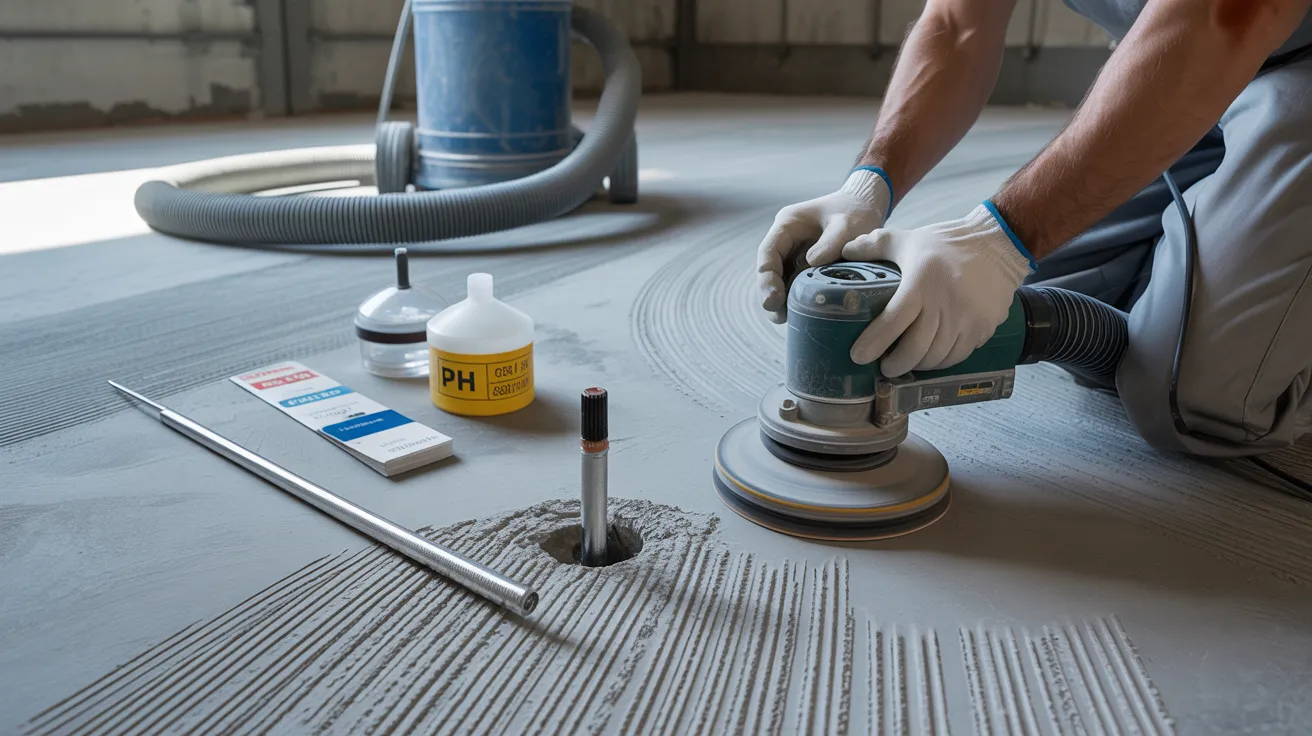
- Surface conditioning and moisture mitigation: RH and pH analysis, concrete surface profile, crack/joint repair, moisture mitigation systems, and suitable primers for warranty-compliant installs.
- For polished, stained, or dyed concrete finishes, we provide a complete process featuring systematic grinding processes, lithium hardening treatments, UV-stable protective coatings, slip resistance applications, and test applications to ensure aesthetic satisfaction.
- Our epoxy/polyaspartic systems feature exact mil thickness, moisture-blocking primers, non-slip aggregates, and certified FF/FL specifications for producing long-lasting, easy-care floor solutions.
Understanding Professional Concrete Flooring Services in Markham
While concrete may appear simple, proper installation in Markham is crucial for structural performance, surface flatness, moisture regulation, and long-term expenses. You require a qualified contractor who expertly tailors mix specifications to accommodate slab dimensions, reinforcement specifications, and substrate conditions, then validates consistency measurements, air volume, and temperature parameters for predictable curing. Industry experts plan for local environmental factors-particularly temperature fluctuations, snow-removal chemicals, and atmospheric moisture-by implementing proper air entrainment, appropriate water-cement levels, and strategic joint placement.
Additionally, you avoid compliance risks. Professional workers comprehend building codes, manage vapor barriers, reinforcements, and curing compounds, and record compaction and compressive strength tests. Expert finishing delivers FF/FL targets, minimizing trip hazards and racking issues. Proper drainage gradients and isolation joints avoid heaving and cracking. Simply put, professional methods protect structural reliability, minimize callbacks, and extend service life.
Polished Concrete: Sophisticated Design Meets Long-Term Reliability
Enhance durability and looks with polished concrete that delivers durable, clean, gleaming floors designed for traffic and uptime. You receive a long-lasting surface enhanced through progressive metal-bond grinding, resin honing, and lithium densification to enhance abrasion resistance and decrease porosity. We then polish and protect to lock in strength and protection.
Achieve the gloss you desire-from low-gloss to high-shine results-while keeping slip resistance through aggregate exposure choices and controlled light reflectivity regulation. This optimizes brightness efficiency, minimizes maintenance, and enhances cleaning routines. Imperfections and joint areas are addressed before finishing to prevent early deterioration and surface marking.
Anticipate consistent lifecycle expenses, rapid return-to-service, and easy compliance with dust and hygiene regulations. Polished concrete delivers reliable performance without coatings, delamination, or delamination concerns.
Epoxy Coatings for Garages, Shops, and High-Traffic Areas
You require epoxy coatings that hold up against abrasion, hot-tire pickup, oils, salts, and common solvents without compromising or staining. To ensure this type of performance, you'll need to specify mechanical substrate preparation (using grinding or shot blasting), humidity and pH assessment, and an appropriate primer to ensure optimal adhesion. Then you should apply the epoxy within the manufacturer's MVT limits, control film thickness and cure times, and complete with a UV-stable topcoat where traffic or sunlight exposure requires it.
Chemical Resistance and Durability
When projects demand a floor that stands up under load, epoxy coatings offer high compressive strength, abrasion resistance, and demonstrated chemical protection for manufacturing areas, repair shops, and heavily-used passages. You gain resilience from tight chemical bonding within the polymer network, delivering impact resistance, form retention, and long wear life. Epoxy endures vehicle traffic, heavy equipment, and wheeled loads without gouging or raveling.
You also prevent degradation from different chemicals, including oils, fuels, and road salts. The durable film prevents penetration, minimizing deterioration and material breakdown when accidents happen. Heat cycles and moisture are controlled with limited expansion, maintaining bond integrity. Specify solids content and resin-hardener ratios to match anticipated conditions. With the appropriate treatment, you reduce maintenance, increase time between services, and keep operations online.
Surface Prep and Application
Before epoxy performs effectively, thorough surface preparation establishes performance limits. You need to confirm slab moisture, pH, and tensile pull-off, then remove weak surface material and impurities. Carry out micro surface profiling through mechanical preparation methods to achieve the specified CSP, ensuring clean, open pores. Repair joints and cracks with joint filling compounds, and pay special attention to edge areas.
Begin by sealing porosity by applying quick-drying primers that accommodate residual moisture and reduce recoat intervals. Spread material to full coverage where anti-slip characteristics or build must be achieved, then spread the body coat using a roller or squeegee at the target thickness, ensuring wet edge consistency and complete coverage. Regulate ambient and substrate temperatures, dew point, and airflow. Conclude with a UV-resistant topcoat for defense against abrasion, chemical contact, and allow for straightforward maintenance in parking areas and heavily trafficked areas.
Stained and Dyed Concrete for Custom Colors and Patterns
It's possible to create a precise color palette using acid stains for variegated tones or water-based stains for consistent colors that meet your design requirements. We'll implement textural and design elements-precise cuts, stenciled designs, layered effects, and controlled color blending-to create stone, tile, or graphic looks with reliable reproduction. To secure color and performance, we'll determine the optimal sealer (penetrating, polyurethane, or polyaspartic), then set a maintenance plan with neutral pH cleaners and periodic reseals according to wear.
Color Selection Options
Color is a key factor in designing concrete surfaces, and stained and dyed applications yield consistent, reliable outcomes. You pick from calibrated color sets that align with brand specifications or design schemes, then we verify with in-person samples under your actual lighting. Acid stains generate varied organic shades-tan, rust, charcoal-ideal for retail, civic, and hospitality venues seeking gentle illumination. Acetone dyes and water-based dyes expand into saturated Jewel tones-peridot, tanzanite, rhodolite-supporting bold wayfinding and premium merchandising.
We evaluate substrate porosity, moisture, and cement chemistry to determine absorption, then specify dilution, dwell time, and application sequence for consistency. Ultraviolet-protective coatings lock color, while sheen variations optimize reflectivity. You achieve consistent coloring across processes with verified blend proportions and production monitoring, guaranteeing uniform, lasting performance.
Effects of Pattern and Texture
After establishing tones defined, texturing and patterning become design tools that control traffic, minimize glare, and distinguish areas. You can specify dyed or tinted concrete as the color base, then layer precise designs to create measurable results. Grid scoring, precision-cut edges, and laser etched patterns create wayfinding solutions and product zones without extra hardware. Textured surfaces offer anti-skid surface texture while simulating decorative elements or company symbols. Reactive stains produce variegation; aqueous colorants provide uniform, reliable shades for precise motifs.
We strategically plot circulation paths, dock approaches, and retail vignettes to let surfaces direct flow and pausing points. Matte finishes reduce glare with LED illumination, eliminating glare on camera and optimizing optical comfort. Surface finishing and patterns align with identity requirements, supporting durability, safety, and efficient installation.
Essential Care and Sealing Advice
Ensure enduring performance by pairing the sealer to the finishing system, environmental factors, and traffic classification. Apply penetrating sealers for permeable, UV-protected stained floors; choose high-solids polyurethanes or polyaspartics in areas where abrasion and chemical exposure are expected. Check VOC limits and slip prevention values. Ready diligently: verify neutral pH following staining, perform 200-400 grit burnishing if required, and install within the manufacturer's designated recoat period.
Set up regular inspections to check finish quality, coating durability, and scratch patterns. Monitor wear spots at critical facility points and transit paths; arrange strategic recoat ahead of color loss. Put in place a consistent spill cleanup procedure: isolate, blot, neutralize, and rinse - never use acidic cleaners or undiluted degreasers. Utilize microfiber dust control, machine clean with pH-neutral detergent, and apply sacrificial finish in busy zones. Record maintenance data to enhance lifecycle expenses.
Surface Preparation and Moisture Mitigation Best Practices
Before installing any coating or overlay, comprehensive surface preparation and moisture control dictate long-term performance and warranty validity. The process starts with testing procedures: moisture testing via RH probes (ASTM F2170), calcium chloride testing (ASTM F1869), and pH level checks. Then, remove contaminants, and perform substrate profiling to the required ICRI CSP, employing diamond grinding or shot blasting. Fix cracks, spalls, and joints using appropriate repair products, and completely vacuum to achieve a dust-free surface prior to priming.
Address moisture problems at the source. Check the presence and functionality of under-slab moisture barriers; where barriers are absent or compromised, install moisture management solutions rated for your concrete's emission levels. Treat dynamic cracks and joints using elastomeric materials to enable flexibility. Specify epoxy or urethane primers that work with current moisture conditions. Keep records of measurements, preparation procedures, and curing durations to satisfy warranty conditions and generate dependable results.
Commercial, Industrial, and Residential Services
Proper preparation and moisture management create the basis for performance across segments, but application requirements change by application. In commercial settings, you have to harmonize wear patterns, design elements, and total cost of ownership. You specify eco-friendly materials for LEED compliance, surface strengtheners for wear protection, and coatings optimized for traction control without compromising cleanability. You must account for heat-induced expansion at retail facades and sun-exposed atriums.
In manufacturing settings, you need to focus on forklift dynamics, chemical resistance, and impact protection. You strategically design joint patterns for storage areas, determine optimal reinforcement needs, and implement coatings that control process-related thermal expansion. Noise reduction is essential around testing stations and quality control zones.
When it comes to residential spaces, we prioritize convenience and minimal upkeep. The integration of sound-reducing underlayments, heating-compatible foundations, and specialized sealants that offer non-slip properties while preserving a cozy aesthetic.
Picking the Perfect Contractor: Experience, Coverage, and Timeframes
When choosing a concrete flooring contractor in Markham, review credentials and delivery discipline with equal thoroughness you apply to mix designs. Confirm the company uses licensed installers, has WSIB and liability insurance, and possesses manufacturer certifications for the required system (polished, epoxy, urethane-cement, or overlays). Validate project references with comparable loads, exposure, and schedule constraints.
Demand a written scope covering: surface preparation, humidity management, structural support, placement, final touches, and performance testing. Secure a warranty that clearly defines guarantees, limitations, and resolution periods; link it to performance standards such as compression resistance, floor profile (FF/FL), and film thickness.
Examine project timeline reliability by verifying: resource scheduling, tool availability, cure time windows, and fallback provisions for climate impacts and material shortages. Create a well-defined dispute handling procedure, escalation contact list, and daily reporting structure.
Cost, Maintenance, and Long-Term Value Considerations
With these fundamental elements, coordinate cost allocation towards long-term operational efficiency, rather than the base price. Assess installation expenses in conjunction with lifecycle pricing to incorporate concrete specifications, structural support, joint design, curing processes, and surface treatment solutions. Choose finishes according to abrasion resistance, chemical protection demands, and traction requirements to prevent early-stage issues.
Establish service intervals prior to pouring. Plan cleaning products, sealer application timing, and crack mitigation techniques to protect finish quality and levelness specifications. Include expenses for grinding and polishing touch-ups, joint filler replacement, and moisture control measures where applicable.
Assess total cost of ownership: energy reflection (reduced lighting expenses), service intervals for service, and anticipated durability. Review warranty conditions connected with operational and environmental requirements. Calculate resale value by showing regulation-compliant surfaces, minimal deferred maintenance, and portable warranty coverage. You'll reduce unplanned costs and preserve investment value.
Frequently Asked Questions
Can You Offer Off-Hours Installation to Limit Business Disruption?
Indeed. Installation can be arranged after hours or on weekends to minimize downtime. Our team manages overnight arrangements and dispatch emergency teams as required, while phasing work to preserve access and safety. Our crew oversees noise, dust control, and curing sequences to fulfill operational constraints. We provide thorough planning, location-based organization, and swift team placement. We'll provide progress updates, quality verification, and detailed completion documentation, ensuring your facility reopens on time with durable, compliant, and clean results.
Can You Install Underfloor Heating In Concrete Floor Installations?
Absolutely, you are able to integrate radiant floor heating with concrete flooring systems. Think of it as forging Excalibur: accuracy is crucial. You opt for hydronic systems for large spaces and energy efficiency, or electric mats for specific areas and quick heating. You coordinate slab thickness, insulation, vapor barriers, and control joints to secure tubing/cables. You verify load calculations, spacing, and installation patterns, then initiate pressure and continuity tests, ensuring uniform heat, minimal thermal lag, and long-lasting performance.
Which Eco-Friendly and Low-VOC Materials Do You Offer?
You can select environmentally friendly solutions using low-volatile sealers, waterborne epoxies, and high-solid polyurethanes to reduce emissions and downtime. Specify blends with reclaimed materials, alternative binding materials (coal ash, furnace slag), and nearby materials to reduce embodied carbon. Choose lithium-silicate densifiers with ultra-low VOC profiles. Consider polished concrete to remove topical coatings where practical. You'll obtain resilient, damage-resistant surfaces, conforming to LEED/WELL standards, without impacting cure check here times, material bonding, or lifecycle performance.
Do You Deal With Permits and Condominium Board Approvals in Markham?
We offer permit assistance and condo coordination in Markham. You won't wrestle with red tape; we prepare applications, file drawings, and follow approvals. We coordinate with property managers, security, and boards to align bylaws, noise windows, elevator bookings, and load limits. We provide insurance certificates, WSIB, site-specific safety plans, and engineer letters as required. We provide you with clear timelines, stakeholder updates, and documented compliance, guaranteeing your project proceeds as planned and inspection-ready.
How Well Can You Match Current Concrete Finishes in Partial Renovation Projects?
Absolutely, it's possible to match existing concrete finishes when performing partial renovations. Begin by conducting a detailed assessment, performing concrete mix evaluation, granular composition study, and sheen benchmarking. Implement color matching through dyes, pigments, or stains fine-tuned with test panels. Carry out texture replication using custom trowel patterns, shot-blast profiles, or surface stamping methods. Control cure rates and gloss using surface densifiers and sealers. Validate with comparative samples under project lighting to ensure seamless integration.
In Conclusion
You're looking for a floor that works like a precision machine-clean, durable, and built to spec. With epoxy, polished concrete, and staining solutions, you'll match design with functionality, foot traffic, and lifespan. Proper prep and moisture control eliminate expensive repairs. Vet credentials, warranties, and schedules to ensure high value and low liability. When you select proven Markham specialists, you'll lock in a finish that withstands wear, chemical exposure, and interruptions while reducing upkeep needs and lifetime expenses for years.